For motorcycle enthusiasts on a budget, the prospect of owning a bike with a salvage or rebuilt title can be appealing. According to webbikeworld.com, the global market for salvaged motorcycles was estimated at $120.08 billion in 2024, indicating a significant interest in these vehicles. However, it's crucial to understand the implications before making a purchase.
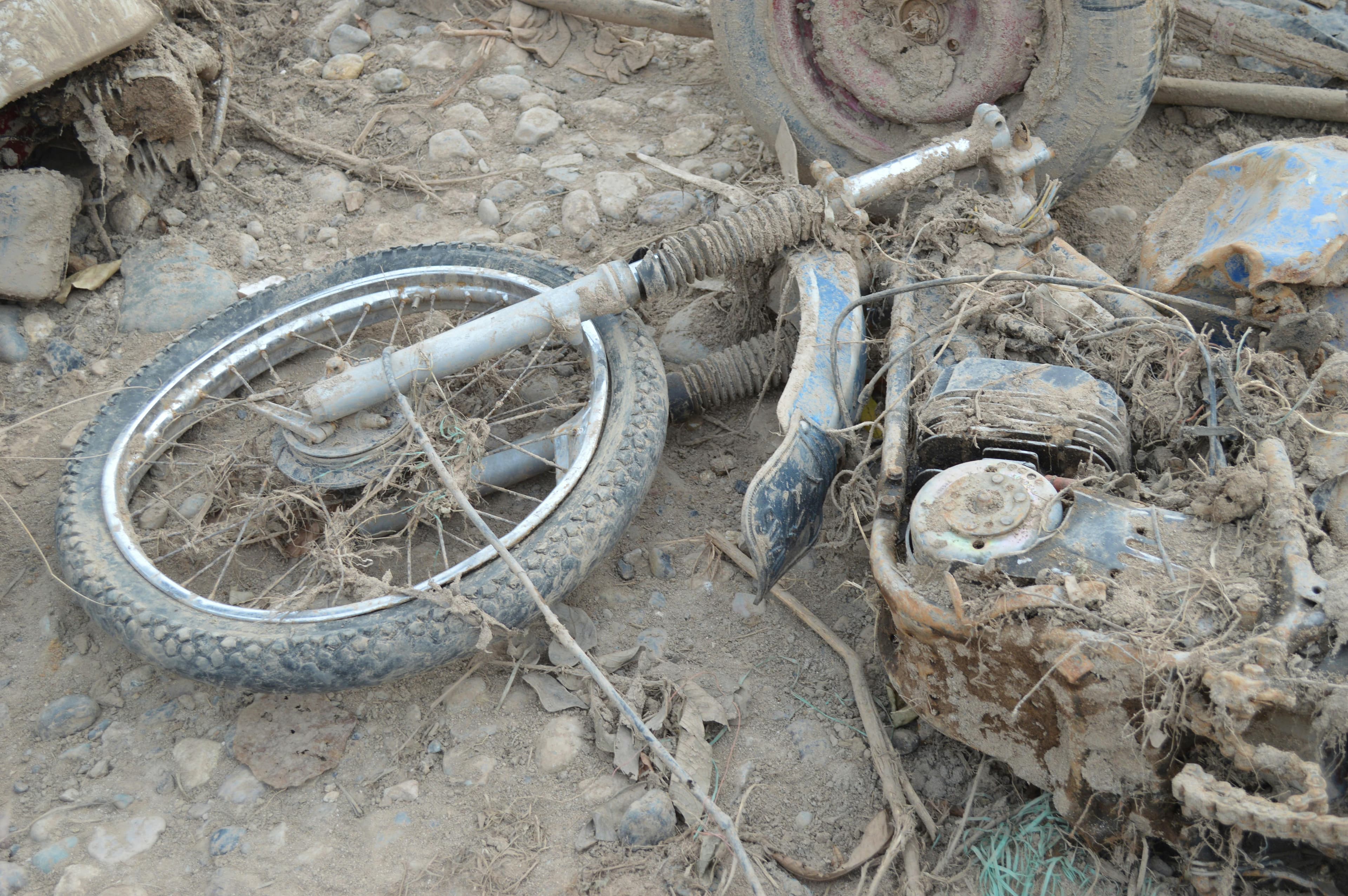
A salvage title indicates that an insurance company has declared the motorcycle a total loss, typically because the cost of repairs exceeds 60-75% of its value, depending on state laws, webbikeworld.com reports. This can result from accidents, theft recovery, flood damage, or even cosmetic issues like hail damage. A motorcycle with a salvage title cannot be legally registered or ridden on public roads until it has been repaired and inspected.
A rebuilt title signifies that a salvage motorcycle has been repaired, inspected, and certified as roadworthy, according to webbikeworld.com. While this allows the bike to be registered and insured, the rebuilt title remains permanently associated with the vehicle, potentially impacting its resale value and insurability.
Key Considerations When Buying Salvage or Rebuilt Motorcycles
- Cost Savings: Salvage motorcycles can offer savings of 20-50% compared to bikes with clean titles, according to webbikeworld.com.
- Resale Value: Rebuilt titles typically reduce resale value by 20-40%, webbikeworld.com reports.
- Insurance: Some insurance companies may refuse to insure rebuilt motorcycles, or they may charge higher premiums (10-30% more), according to webbikeworld.com.
- Financing: Banks are often hesitant to finance salvage or rebuilt motorcycles, meaning buyers typically need to pay in cash, according to webbikeworld.com.
- Hidden Damage: Undisclosed frame damage, electrical problems, or flood damage can surface months after purchase, according to webbikeworld.com.
- State Regulations: Inspection requirements vary by state, with some states like California requiring enhanced inspections, according to webbikeworld.com. Some states might not insure flood-damaged vehicles.
- Parts Availability: Parts for rare or imported models can be expensive and difficult to source, according to webbikeworld.com.

When Does Buying a Salvage or Rebuilt Motorcycle Make Sense?
Purchasing a salvage motorcycle is a viable option if:
- You are prepared to invest time and effort in repairs or pay for a professional inspection, as webbikeworld.com advises.
- You intend to keep the motorcycle for an extended period.
- You have confirmed insurance coverage beforehand.
- You are confident that the motorcycle does not have undisclosed damage.
According to webbikeworld.com, theft-recovery or hail-damaged motorcycles are often considered safer bets, as the damage is typically cosmetic or easily repairable. However, skipping a professional inspection, even for seemingly minor damage, can lead to costly surprises.
Finding and Inspecting Salvage and Rebuilt Motorcycles
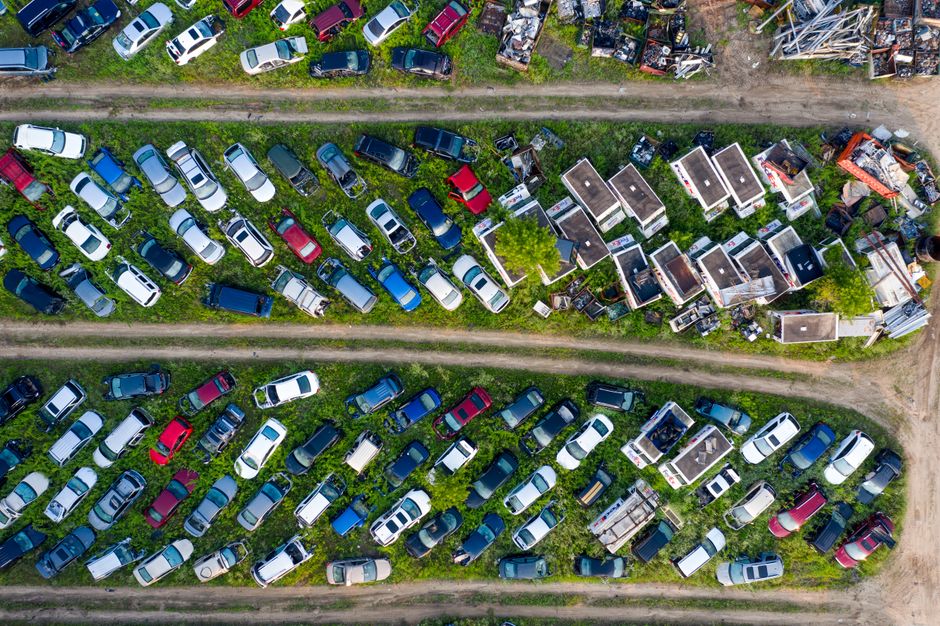
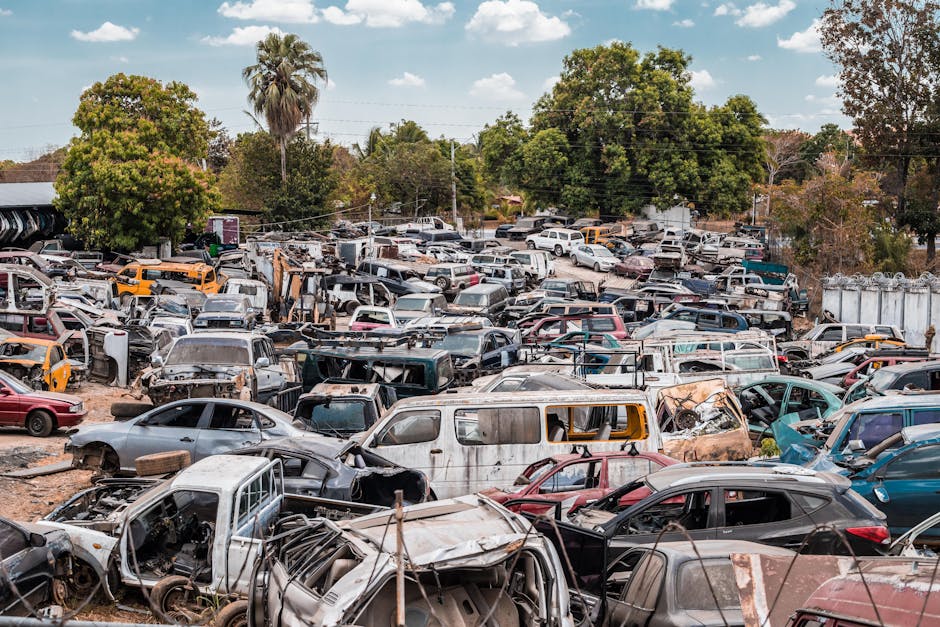
Online auctions, local salvage yards, private sellers, insurance auctions, and rebuilt-title dealers are all potential sources for salvage and rebuilt motorcycles, according to webbikeworld.com. Online auctions often provide detailed photos and damage reports.
Before purchasing, webbikeworld.com recommends a thorough inspection, including:
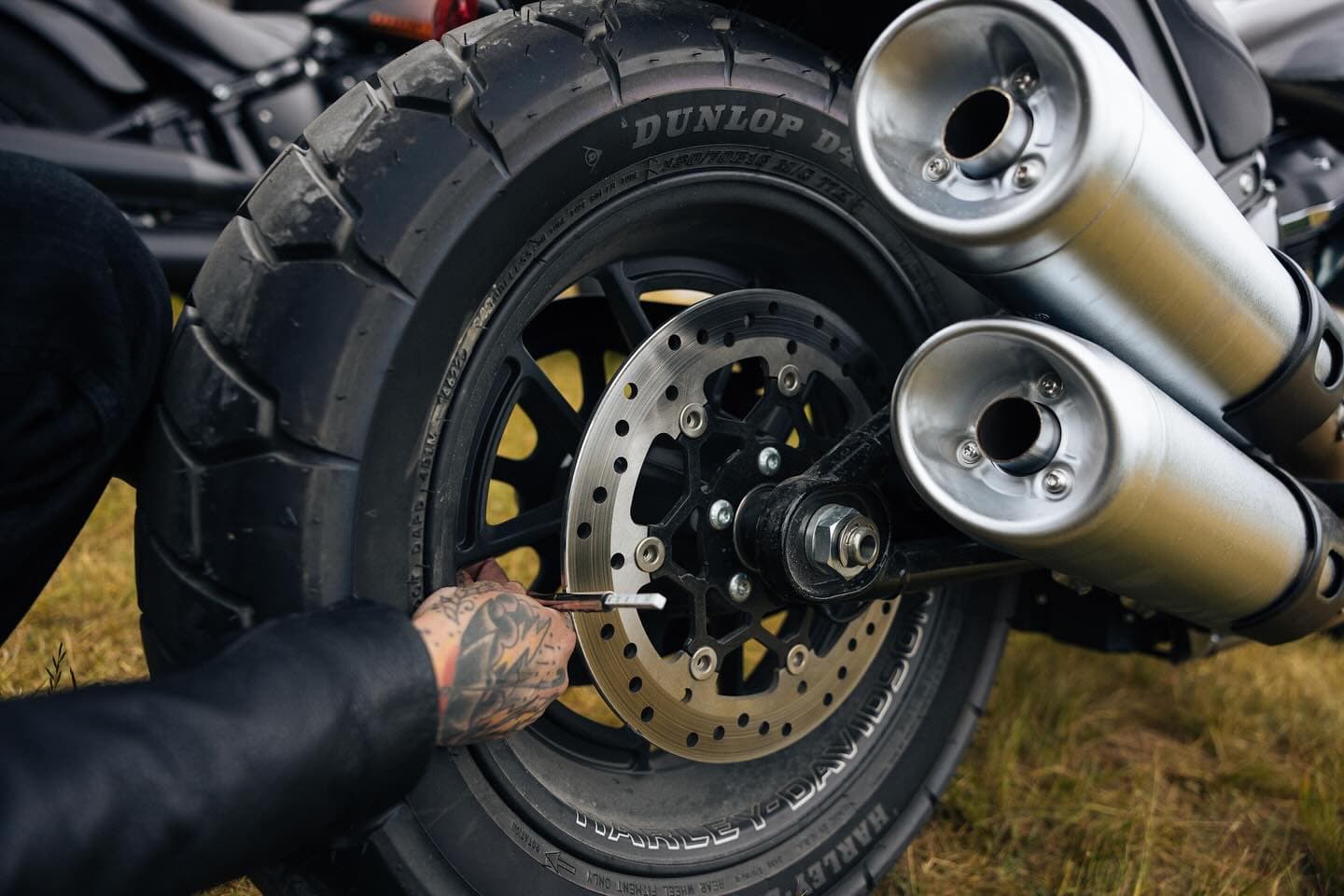
- Checking the frame for bends, sloppy welds, and paint repairs.
- Testing switches and gauges for electrical issues.
- Looking for water stains indicating flood damage.
Always request repair records and a pre-purchase inspection by a qualified mechanic. Obtain a VIN check from the National Insurance Crime Bureau (NICB) and a Carfax or AutoCheck report to uncover any hidden issues, as suggested by webbikeworld.com. Finally, test ride the motorcycle to assess its handling, tracking, and braking performance.