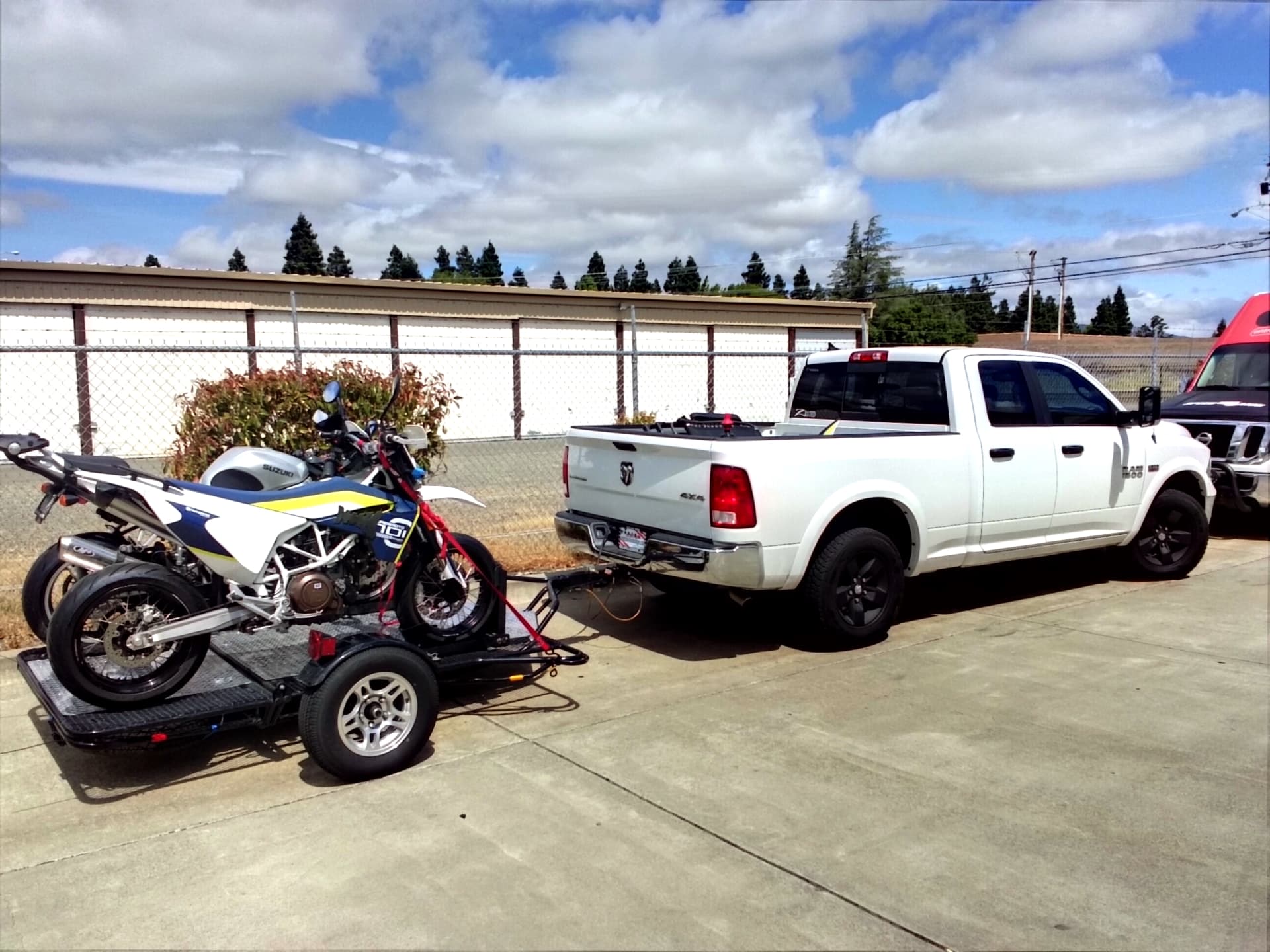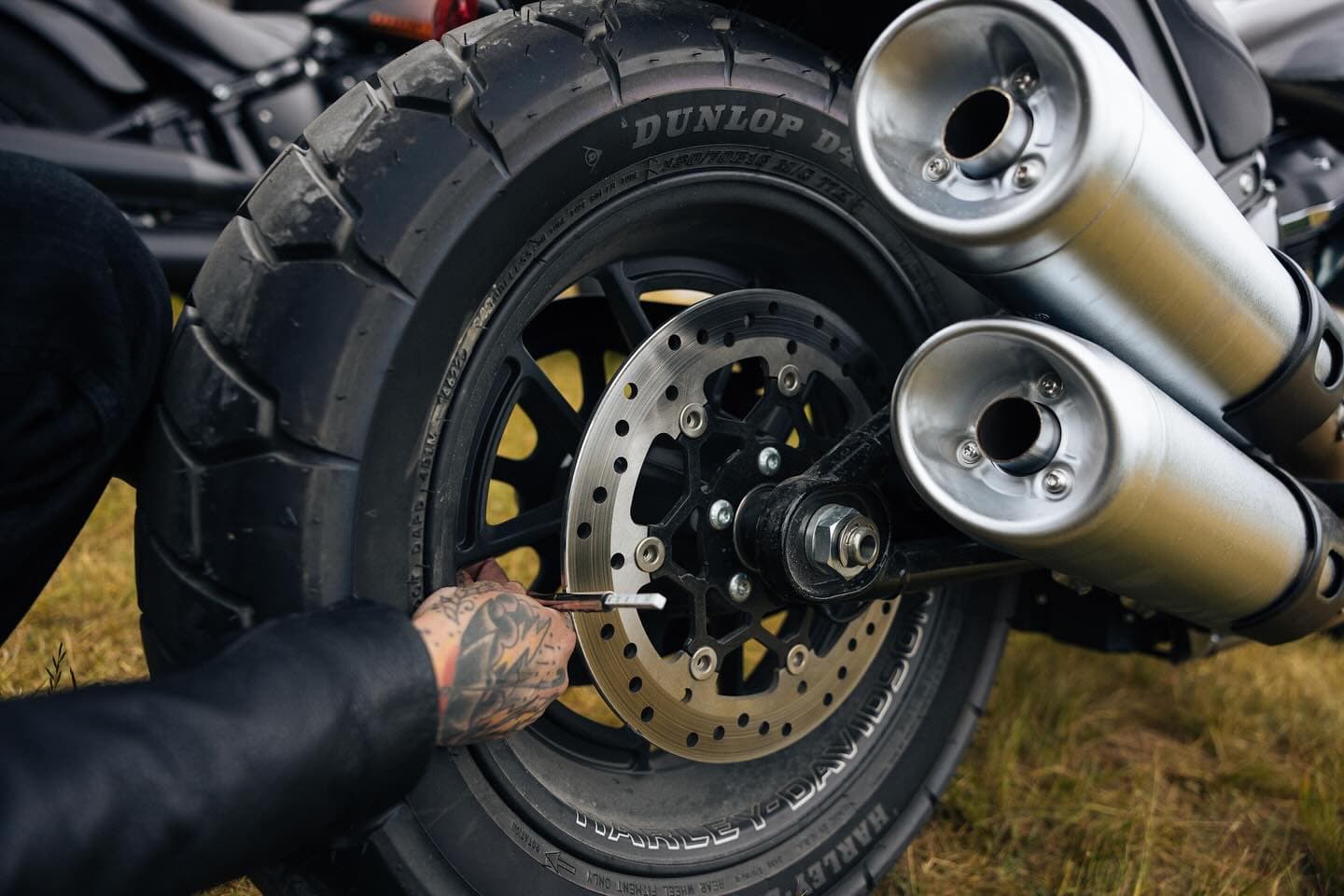
For many riders, motorcycle tire pressure is an afterthought, a task often overlooked in the pursuit of riding. According to webbikeworld.com, neglecting this crucial aspect can have significant consequences for your bike's handling, safety, and even tire life. Many riders admit to using the "thumb test" – pressing on the sidewall to gauge inflation. However, this method is inaccurate and can lead to dangerously low pressures without being noticeable.
The Feel of Underinflation
Underinflation doesn't announce itself with obvious danger signs. Instead, it manifests as vague handling, a feeling that the road is slippery, or a general sense that the bike isn't performing optimally, reports webbikeworld.com. Braking might feel adequate but not confidence-inspiring, leading to numerous small adjustments to compensate. This is because the tire is flexing more than designed, generating excessive heat. This heat degrades the rubber, distorting the contact patch – the small area of tire connecting you to the road.
The Dangers of Overinflation
Overinflation, while less common, is equally problematic. According to webbikeworld.com, an overinflated tire becomes rigid, reducing the contact patch and causing the bike to skip over surface imperfections. This is especially dangerous in wet conditions, where grip is already compromised. Hitting a pothole or debris with an overinflated tire increases the risk of catastrophic tire failure.
Finding Your Ideal Pressure

Locate the sticker on your swingarm or consult your owner's manual to find the recommended tire pressure for your motorcycle. This specification is the correct starting point. Ignore generic advice about sport bikes or cruisers until you know your bike's specific requirements, says webbikeworld.com.
- Increase rear tire pressure by 3-5 PSI when riding with a passenger or heavy luggage, to compensate for the added load.
Why Your Current System Might Be Failing
Many riders rely on inaccurate pencil gauges and gas station air pumps, which are often miscalibrated and difficult to use with motorcycle valve stems, according to webbikeworld.com. This leads to guesswork and inconsistent results. Investing in a portable tire inflator with a built-in digital gauge can eliminate these issues. These inflators are often compact, accurate, and feature automatic shut-off to prevent overinflation. The convenience encourages regular checks and adjustments, ensuring optimal tire pressure.
Best Practices for Checking Tire Pressure
- Cold Tires: Always check tire pressure when the tires are cold – at least three hours after riding. Riding heats the air inside the tire, increasing the pressure and providing an inaccurate reading, according to webbikeworld.com.
- Proper Seal: Ensure a proper seal between the gauge and valve stem to avoid air leaks and inaccurate readings.
- Don't Skip the Rear: The rear tire carries most of the weight and is often the one that needs adjustment.
- Regular Checks: Check tire pressure regularly, especially if the bike has been parked for an extended period, as tires naturally lose pressure over time.
Financial Benefits
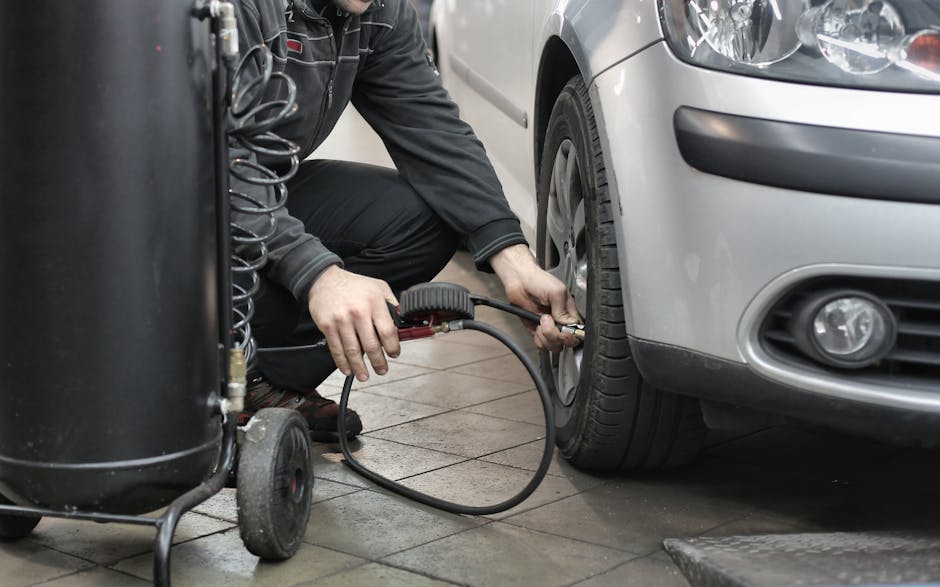

Maintaining proper tire pressure can extend tire life. Underinflated tires wear unevenly, requiring premature replacement. While not the primary reason, the financial savings from extended tire life can quickly offset the cost of a decent portable inflator, says webbikeworld.com.
The most compelling reason to prioritize tire pressure is safety. Riding a motorcycle involves managing numerous uncontrollable variables. Tire pressure is one variable you can control. Taking a few minutes before each ride to check and adjust your tire pressure can significantly improve your safety and riding experience, according to webbikeworld.com.