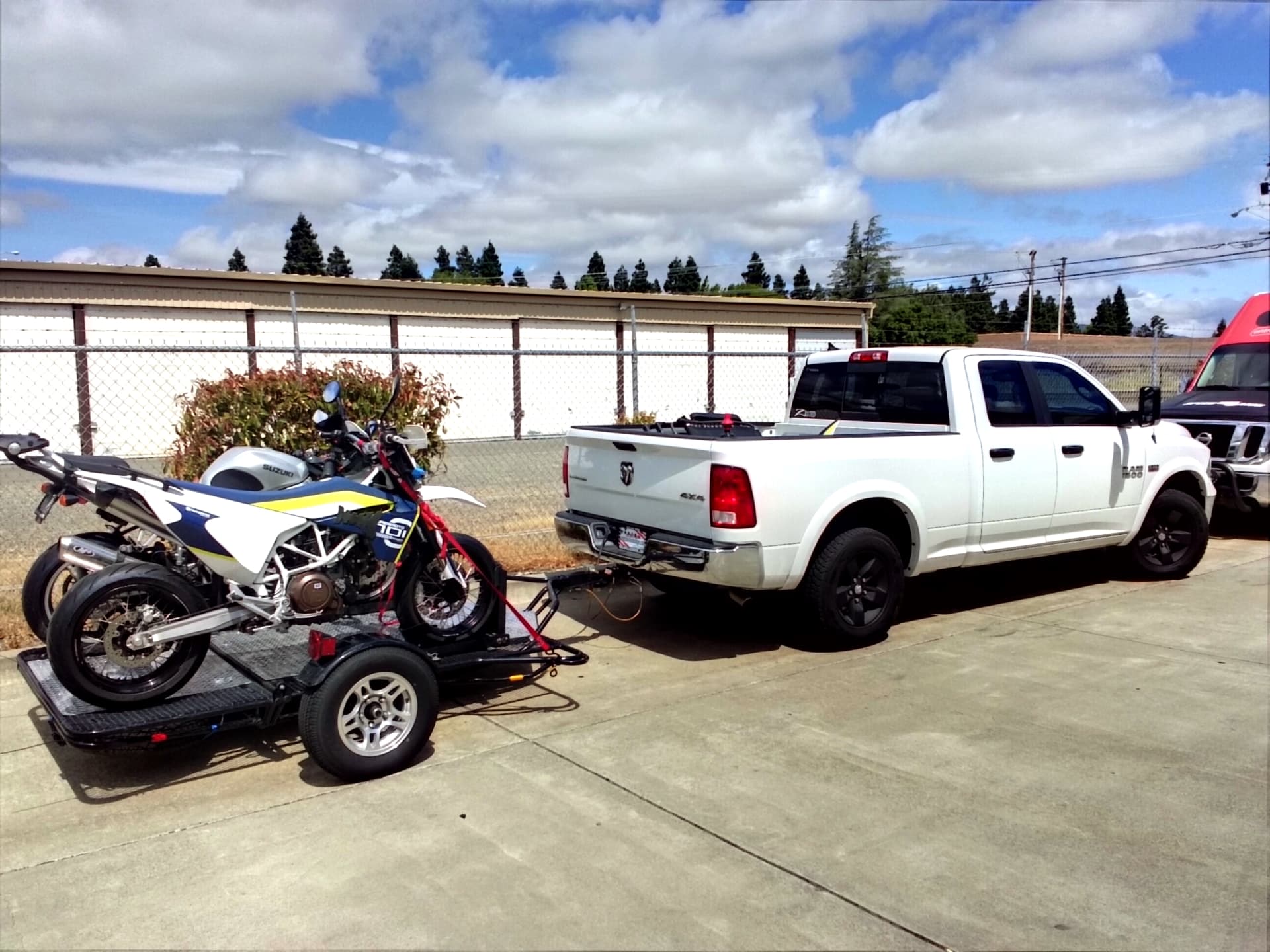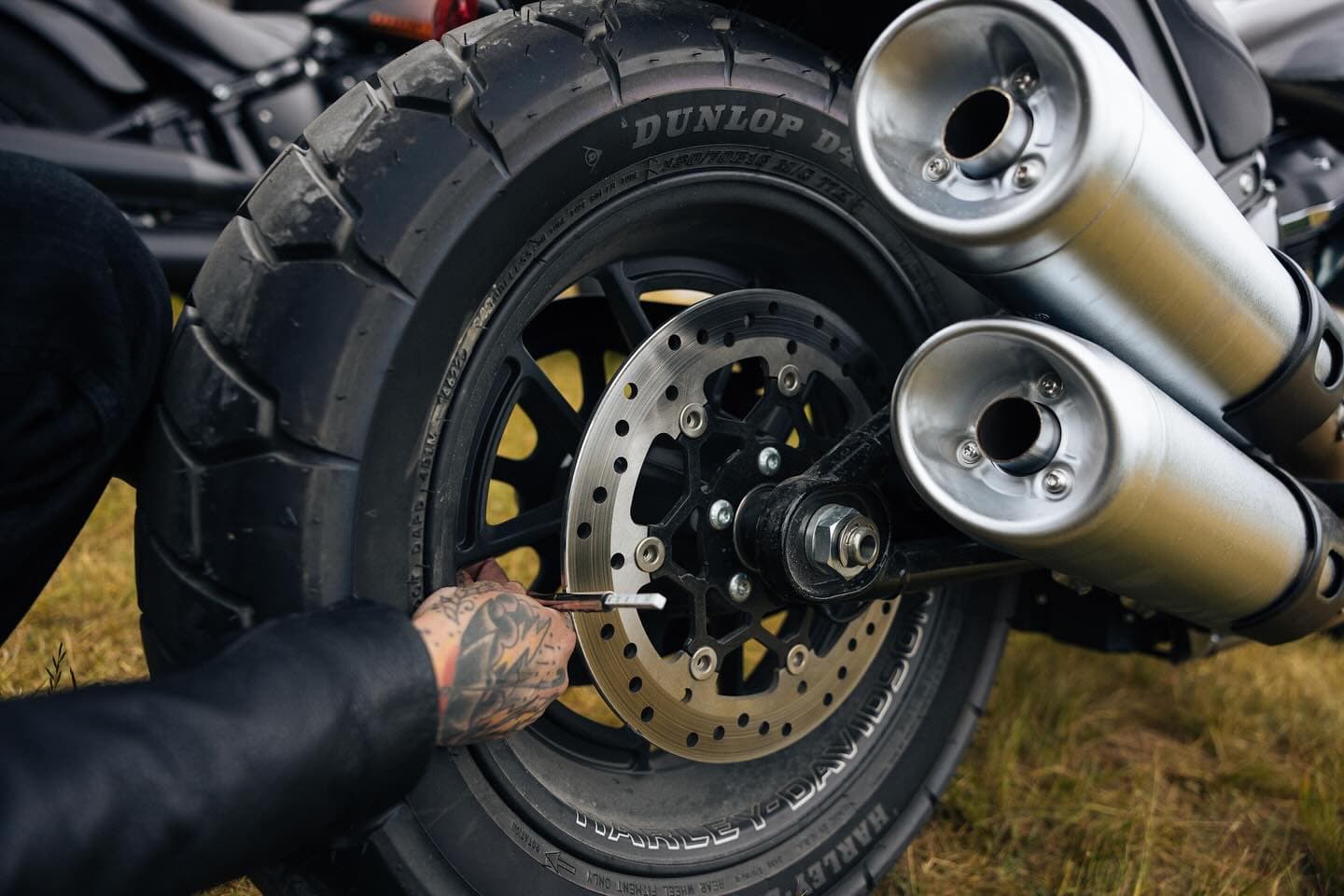
Italy's contribution to the world of motorcycles is undeniable. From legendary manufacturers to smaller, more specialized marques, the Italian motorcycle industry has a rich and diverse history. This article explores some of the Italian motorcycle brands that have shaped the landscape of two-wheeled transportation.
Abra: This Italian motorcycle was produced from 1923 to 1927. According to webbikeworld.com, early models used a DKW 146cc two-stroke engine. Later, starting in 1924, Abra used its own 132cc engine design.
Adiva: Founded in Italy in 1994, Adiva specializes in urban commuter scooters, including two and three-wheeled models. Production began in Italy in 2001. Adiva's flagship model is the AD3, a three-wheeled scooter featuring a retractable roof. While headquartered in Italy, Adiva has production facilities in Malaysia and Taiwan, and distribution centers in Japan, Hong Kong, and China, according to webbikeworld.com.
Aermacchi: Originally an aircraft manufacturer named Aeronautica Macchi, Aermacchi was founded in 1912 by Giulio Macchi. Following World War II, Aermacchi, like other companies, transitioned to motorcycle production to address the need for affordable transportation. The company was located on Lake Varese in Lombardy.
Agrati Garelli: Agrati produced scooters and mopeds in Italy from 1958 to 1965. In 1961, Agrati merged with Garelli Motorcycles, with all bikes produced under the Garelli name from 1965 onward.
Aprilia: Founded by Alberto Beggio in Noale, Italy, immediately after World War II, Aprilia began as a bicycle manufacturer before moving into scooters and small-capacity motorcycles. Aprilia later produced larger sportbikes, such as the RSV Mille and the V4 R API.
Aeromere: Aeromere was the motorcycle production arm of the Italian aircraft company Aero-Caproni. After World War II, Aero-Caproni changed its name to Capriolo and began producing motorcycles. Other companies that switched from aircraft to motorcycles included Aermacchi, MV Agusta, Vespa, and Ducati.
Autozodiaco: Based in Bologna, Autozodiaco primarily manufactured dune buggies based on the VW Beetle. In the 1970s, they produced the Moto Zodiaco Tuareg, an off-road motorbike with large balloon tires designed for dune riding. The company operated from 1968 to 1981.
Benelli: Established in 1911, Benelli is a former Italian motorcycle manufacturer. Today, the company is owned by the Qianjiang Group and has been designed and manufactured in China since 2005. Benelli focuses on mid-sized motorcycles aimed at the European market, with design heavily influenced by brands such as Ducati, according to webbikeworld.com.
Beta Motor: Beta is an Italian motorcycle manufacturer specializing in off-road motorcycles, particularly trials bikes. In 2005, they launched a range of enduro motorcycles using KTM engines. In 2010, they launched the RR series with a new in-house engine. Beta motorcycles have been used by world trials champions such as Jordi Tarrés, Dougie Lampkin, and Albert Cabestany, as well as enduro riders Steve Holcombe and Brad Freeman. Production in 2018 was expected to exceed 20,000 motorcycles, ranging in size from 50 cc to 480 cc, according to webbikeworld.com.
Bimota: Founded in 1973 in Rimini, Italy, by Valerio Bianchi, Giuseppe Morri, and Massimo Tamburini, Bimota is a small Italian manufacturer of custom and production motorcycles. Bimota initially focused on building high-quality motorcycle chassis around existing engines, customizing models from Suzuki, Honda, and Kawasaki. In the late 1970s, Bimota also helped develop and build motorcycles branded as Lamborghinis. In the 1980s, they also customized Yamaha and Ducati motorcycles.
Bianchi: Bianchi motorcycles were manufactured from 1897 to 1967 by F.I.V. Edoardo Bianchi S.p.A, a company that today is a major Italian bicycle manufacturer. They also produced automobiles from 1900 to 1939. Edoardo Bianchi started his bicycle manufacturing business in Milan in 1885. Bianchi was a prominent name in motorcycle racing from 1925 to 1930.
Cagiva: Cagiva was founded in 1950 by Giovanni Castiglioni in Varese, initially producing small metal components. In 1978, Cagiva entered the motorcycle business with two racing motorcycles. By 1979, the company reached an annual production of 40,000 motorbikes, with eight models powered by two-stroke engines ranging from 125 cc to 350 cc. In the early 1980s, Cagiva began to manufacture dirt bikes and started a public relations program with the opening of its North American branch.