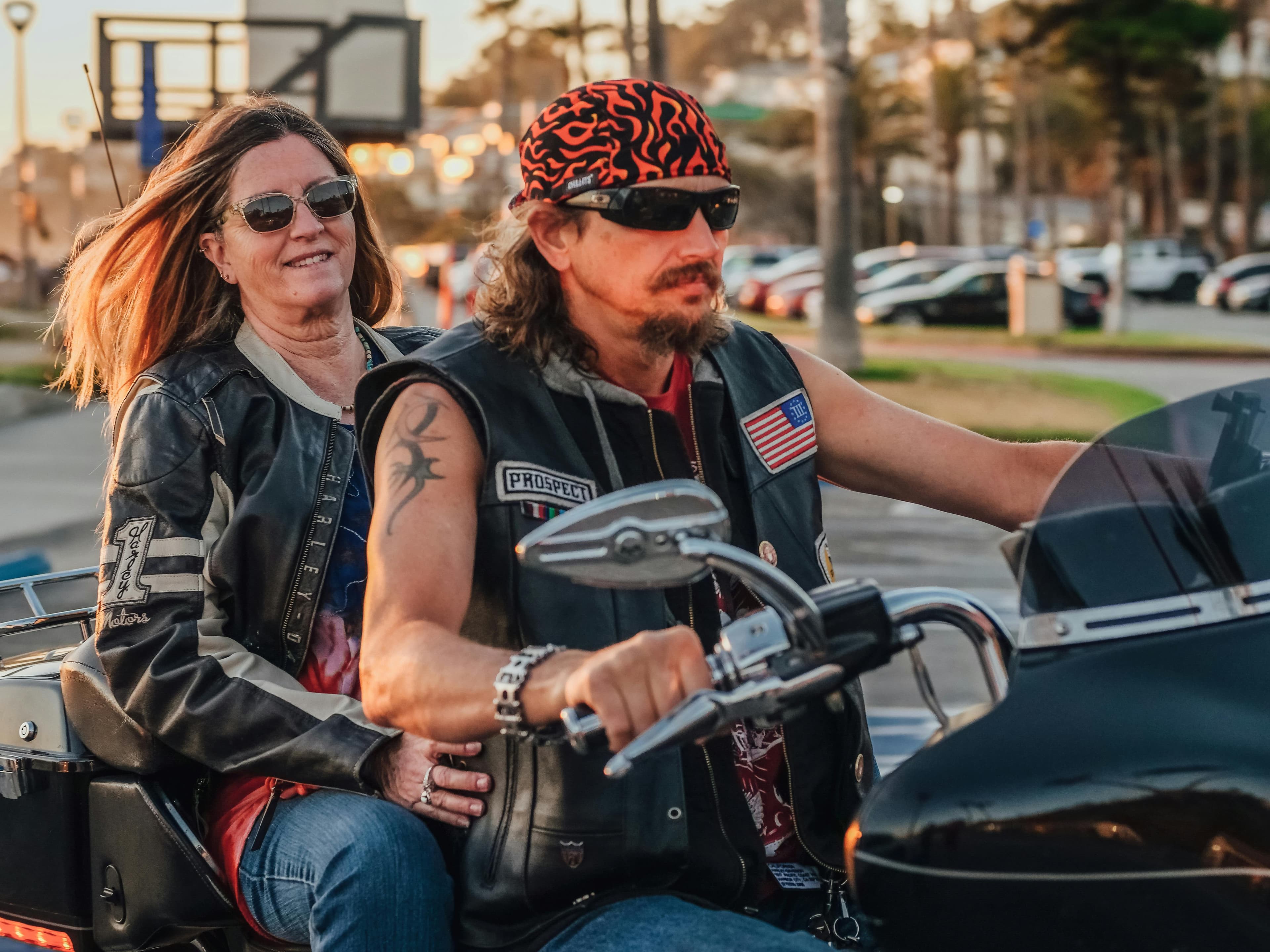
Riding a motorcycle is often a solitary pleasure, but sharing the experience with a passenger can be incredibly rewarding. However, safely carrying a passenger demands skill, preparation, and clear communication. Motorcycle.com offers advice on how to ensure a secure and enjoyable two-up ride.
Pre-Ride Preparation
- Experienced Passengers Preferred: According to Motorcycle.com, a passenger who is also a motorcycle rider is ideal. They are more likely to understand the dynamics of riding and anticipate the rider's actions.
- Size Matters: A smaller passenger generally has less impact on the motorcycle's handling. Adjusting the motorcycle's suspension preload can compensate for the added weight, improving handling and stability.
- The Pre-Flight Briefing: Just as a pilot briefs their passengers, the motorcycle rider should explain the route, riding style, and potential hazards to the passenger. Establishing hand signals for communication can be helpful, especially if the passenger feels uncomfortable during the ride.

Mounting and Dismounting
- Rider First: The rider should be seated and stable before the passenger mounts. This provides a secure base and minimizes the risk of the motorcycle tipping over. Reverse the process when dismounting, with the rider dismounting last.
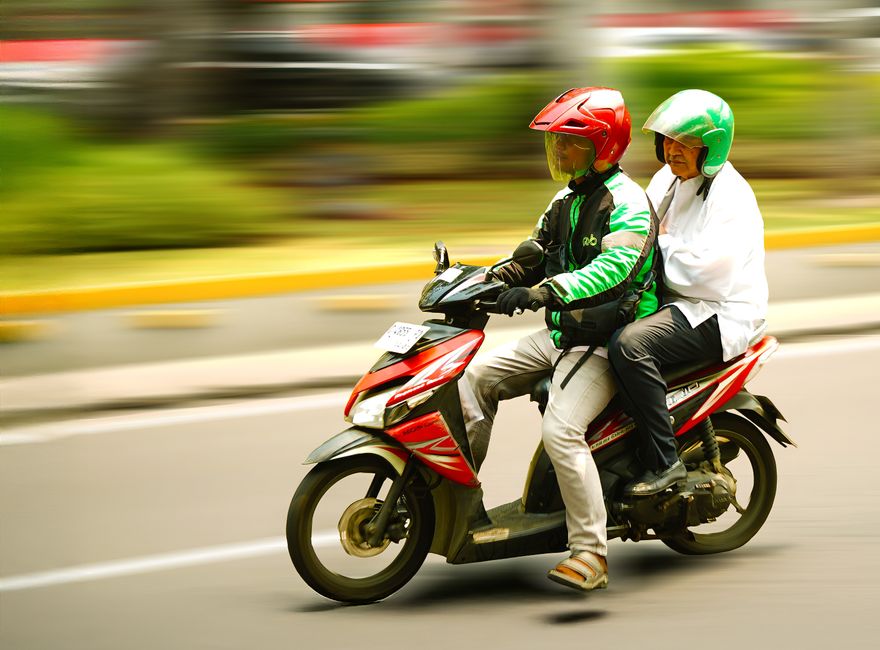

Riding Techniques
- Passenger Positioning: Motorcycle.com suggests the passenger hold the rider around the waist to keep their body masses unified. Holding on higher up, like around the chest, can impede the rider's control. Many motorcycles have grab rails or straps for passengers to use.
- Synchronized Movement: The passenger should move in sync with the rider, leaning into corners and anticipating braking. This helps maintain the motorcycle's balance and prevents unexpected shifts in weight.
- Look Ahead: The passenger should maintain a neutral seating position, looking ahead over the rider's shoulder. This helps them anticipate turns and react accordingly.
- Increased Following Distance: The added weight of a passenger increases braking distance and reduces acceleration. Riders should increase their following distance to allow for more reaction time.


