So, you're ready to experience the freedom of two wheels? Getting your motorcycle license is an exciting step, but it's crucial to understand the requirements and process involved. Licensing rules and requirements are similar in many states, but it's essential to check your local regulations as they can vary. According to Motorcycle.com, the process generally involves several key steps.
Note: Before you even consider purchasing a motorcycle, research your state's specific licensing requirements. This includes minimum age, learner's permit rules, restrictions, and any displacement limits for beginner riders.
Key Steps to Getting Your Motorcycle License
- Legal Riding Age: Age requirements differ by state. For example, in California, you can obtain a learner's permit at 15 1/2 and a full license at 16. However, a learner's permit comes with restrictions, such as not riding at night, with passengers, or on the freeway, according to Motorcycle.com.
- Safety Certification: While not always mandatory, completing a Motorcycle Safety Foundation (MSF) course can be beneficial. In some states, it may allow you to obtain a permit at a younger age. MSF courses combine classroom instruction with hands-on riding experience, often providing small-displacement bikes for students.
- Parental Permission: If you're under 18, you'll likely need parental consent to obtain a motorcycle license. This often requires a parent's signature on the application.
- Written Exam: Prepare for the written exam by consulting your state's DMV website and obtaining a study guide (handbook). The handbook contains essential information for new riders, so read it thoroughly.
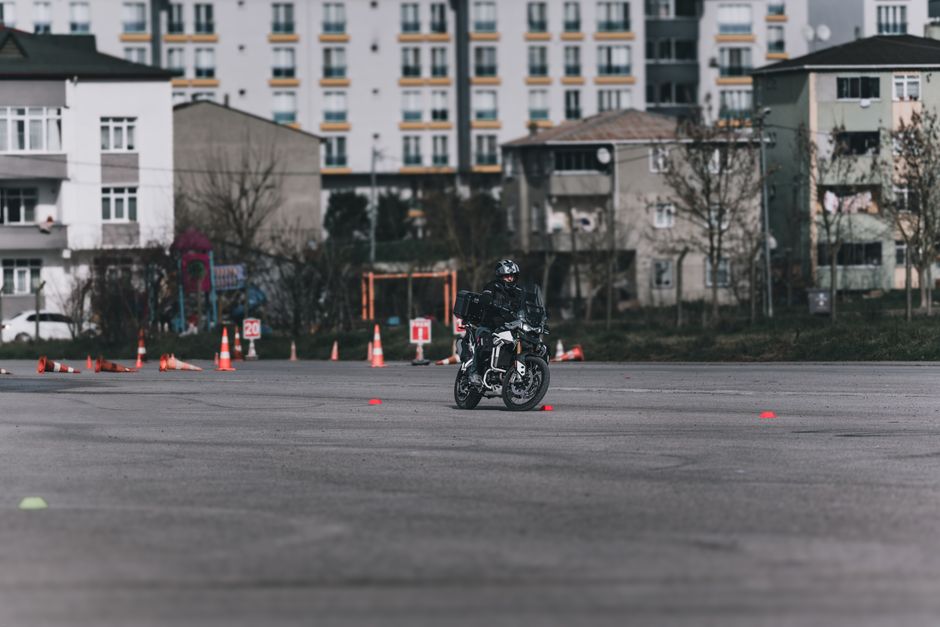
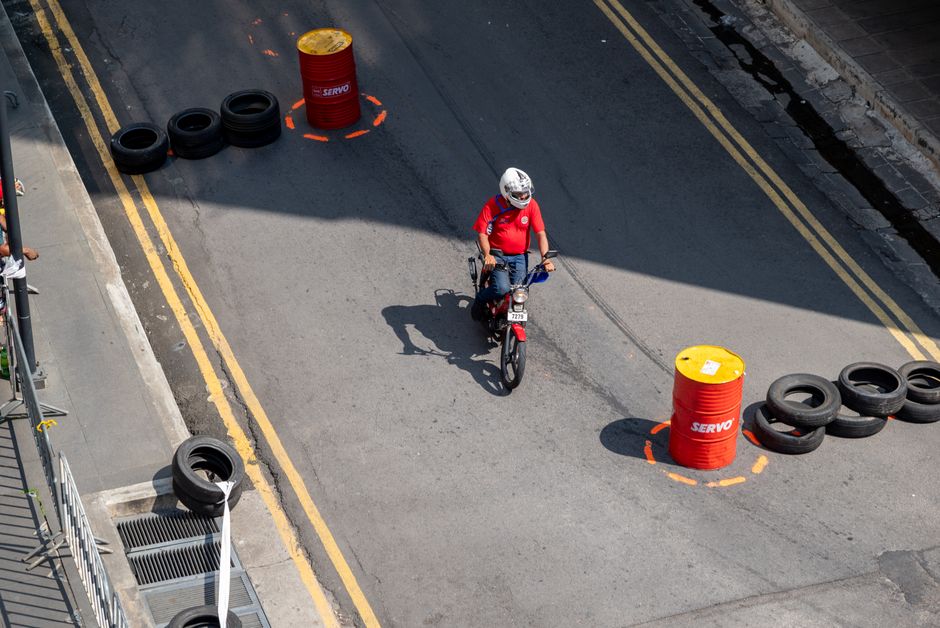
- Riding Test: The riding test typically assesses your basic motorcycle handling skills. Motorcycle.com describes it as a "maneuvering" test, focusing on starting, stopping, accelerating, braking, and following a designated course. Graduating from an MSF course can significantly improve your chances of passing.
- Temporary Restrictions: New riders may face temporary restrictions, such as prohibitions on carrying passengers or riding on freeways. Some states may also have displacement limits for beginner bikes.
Motorcycle.com notes that the riding test might not cover advanced skills like merging onto freeways or emergency maneuvers. It's crucial to seek additional training and experience to develop these skills beyond the basic licensing requirements.
Important Considerations:
- State Variations: Always verify your state's specific requirements with the DMV.
- MSF Course Benefits: Even if not required, an MSF course provides valuable skills and knowledge for safe riding.
- Beyond the Test: The licensing test is just the beginning. Continuously improve your skills and awareness to become a safe and responsible rider.