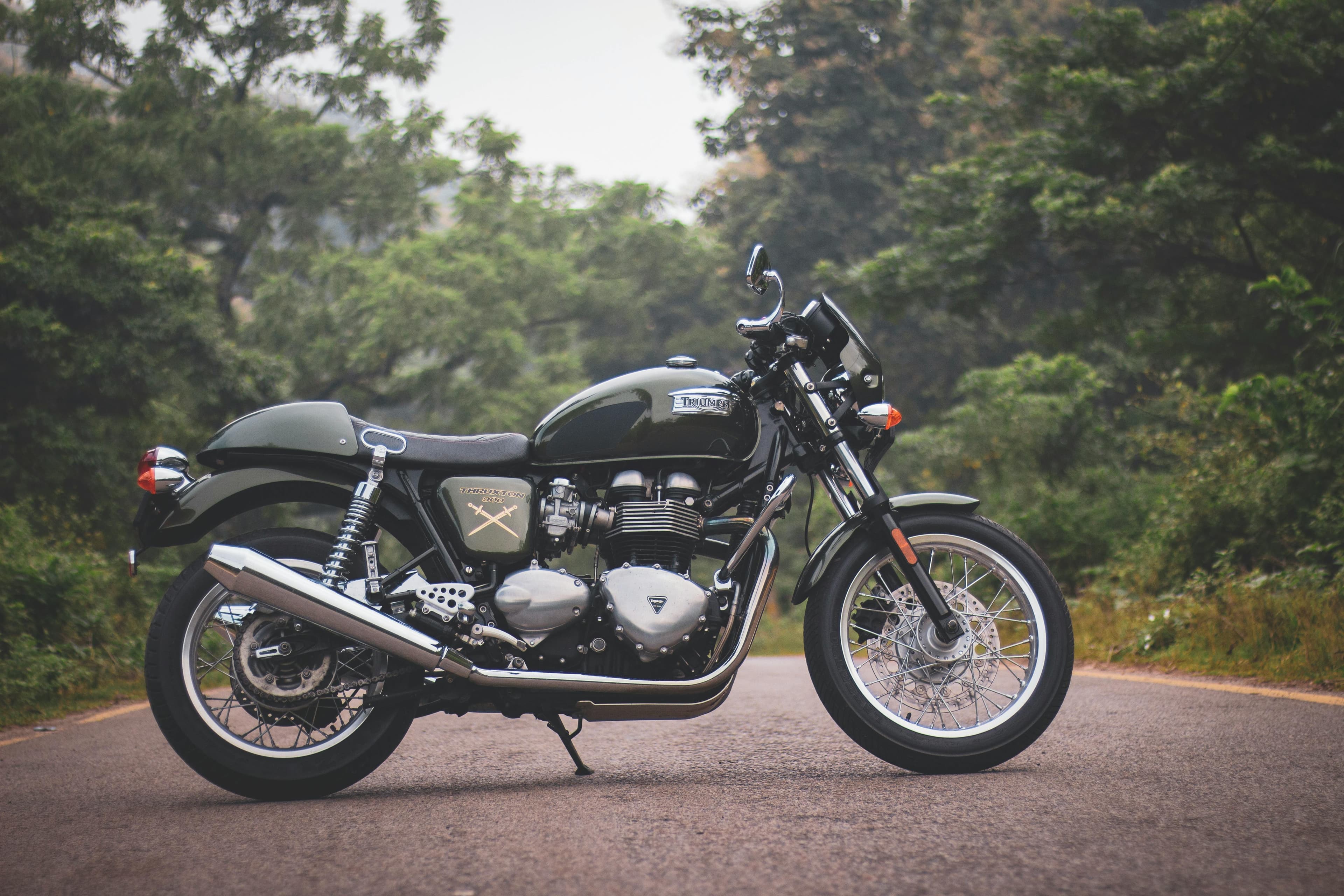
Triumph has a rich history of using the Trident name on significant models. The original Trident, arriving around the same time as the Honda CB750, helped define the modern superbike. After a period of dormancy, Triumph was revitalized by John Bloor, and the Trident name returned with the triple-powered Trident 900. In 2021, the Trident 660 was launched and quickly became popular, even earning Motorcycle.com's 'Best Value Motorcycle' award.
For 2026, Triumph expands the Trident lineup with the Trident 800, featuring a 798cc inline-Triple engine. This model aims to fill the gap between the Trident 660 and the sportier Street Triple RS. The author notes the discontinuation of the Street Triple R.
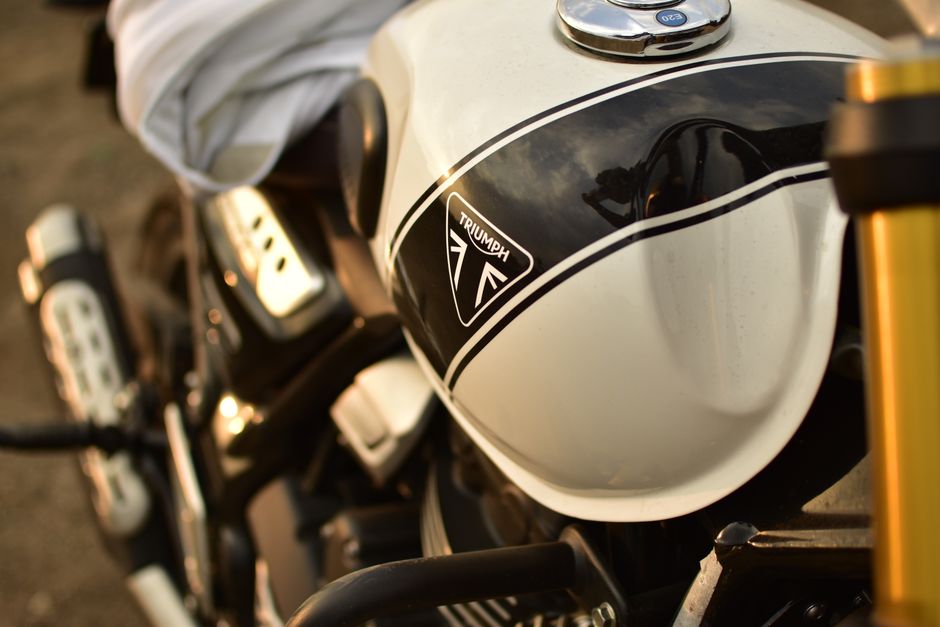
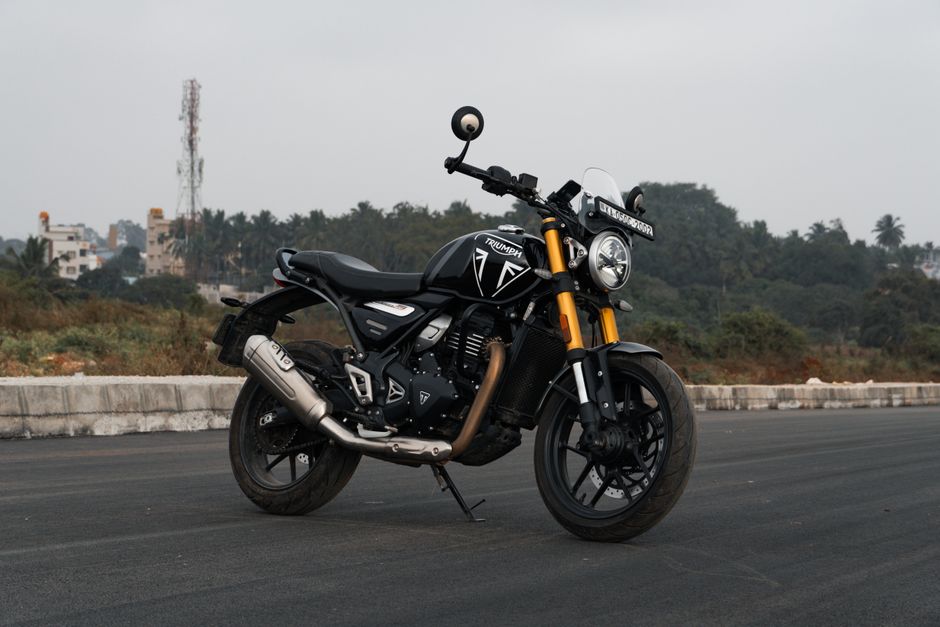
According to motorcycle.com, the 2026 Triumph Trident 800 is scheduled to arrive in dealerships in March with a price of $9,995. Visually, the Trident 800 maintains Triumph's modern roadster aesthetic. It features a round headlight reminiscent of early Triumph triples, along with updated bodywork. The fuel tank is painted with black side panels, similar to the 660, but the 800 includes a flyscreen, belly pan, and side-mounted exhaust for a more substantial appearance. The Ash Grey color option is similar to the 2020 Street Triple RS.
The 798cc Triple engine produces a claimed 113.4 horsepower at 10,750 rpm and 61.9 lb-ft of torque at 8,500 rpm. Triumph focused on both performance and sound, using a twist-forged crankshaft, forged connecting rods, and a revised airbox and intake. The exhaust note is described as a deep growl at low revs, building into a signature triple howl at higher RPMs.
The Trident 800 features ride-by-wire throttle with three ride modes: Road, Sport, and Rain, each adjusting throttle response and traction control. An IMU provides lean-sensitive traction control and ABS. A bi-directional quickshifter and cruise control are standard. All information is displayed on a 3.5-inch TFT display with Bluetooth connectivity for navigation and audio.
The chassis is similar to the Trident 660, with the engine mounted in a tubular steel frame. The front suspension uses the same 41mm Showa SFF-BP inverted fork with 4.7 inches of travel. The rear suspension is a Showa monoshock with adjustable rebound damping and preload. Braking is handled by dual four-piston radial-mount calipers with 310mm discs up front and a single-piston rear caliper on a 220mm disc.

Motorcycle.com's first ride review took place in Cyprus. The riding position is described as neutral, similar to the Trident 660.


